Home · Areas Served · East Camarillo and Mission Oaks
Roofing in East Camarillo and Mission Oaks
Quick answer
The east side subdivisions.
1980s and 1990s tract homes.
ZIP codes served here: 93011.
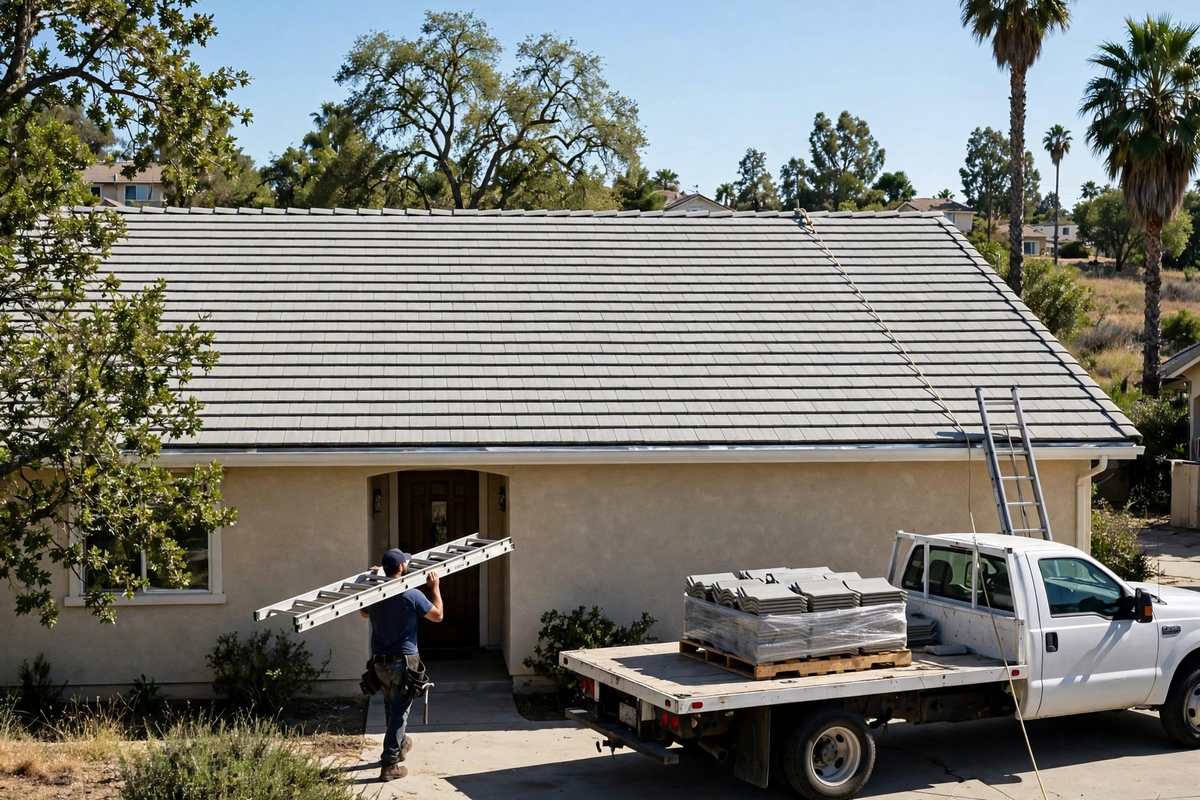
Common calls in East Camarillo and Mission Oaks
- A tree, limb, or storm debris has opened the roof. It usually means the roof is open to the sky and every rain band is entering.
- Shingles or decking are missing over living space. It usually means living space below is unprotected until the opening is covered.
- Rain is forecast before a permanent repair can happen. It usually means the next rain converts an open roof into interior damage.
- An insurer or adjuster has asked for the property to be protected from further damage. It usually means your insurer expects the property protected from further damage, and the tarp is that step.
What jobs here tend to look like
Calleguas Creek drains Camarillo toward the coastal plain, and the hills behind the city funnel the wind that tests every roof here.
Housing in Camarillo: tract homes from the 1960s through the 1990s across the Oxnard Plain edge, roofed heavily in concrete tile and composition shingle.
Climate in Camarillo: cool marine summers, mild winters, and winter rain in bursts.
For roofing in Camarillo, the pattern that repeats across jobs is set by those conditions together, and the scopes on this site are written around them, not around a national checklist.
Services available in East Camarillo and Mission Oaks
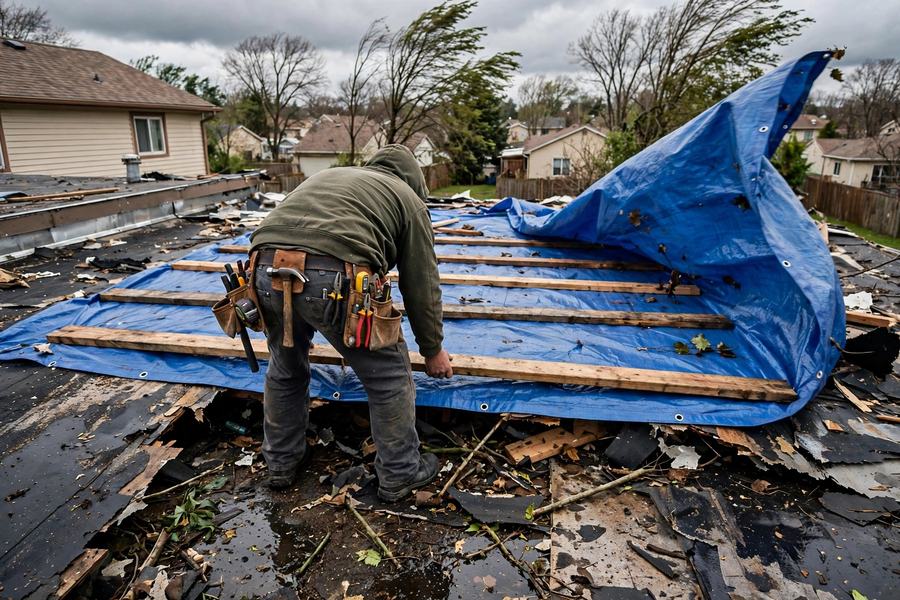
Emergency Roof Tarping
When wind or a burst of winter rain opens a Camarillo roof, a properly anchored tarp stops further entry the same day while repair or claim steps are arranged. The opening is documented as found, because that record matters once weather clears over the plain.
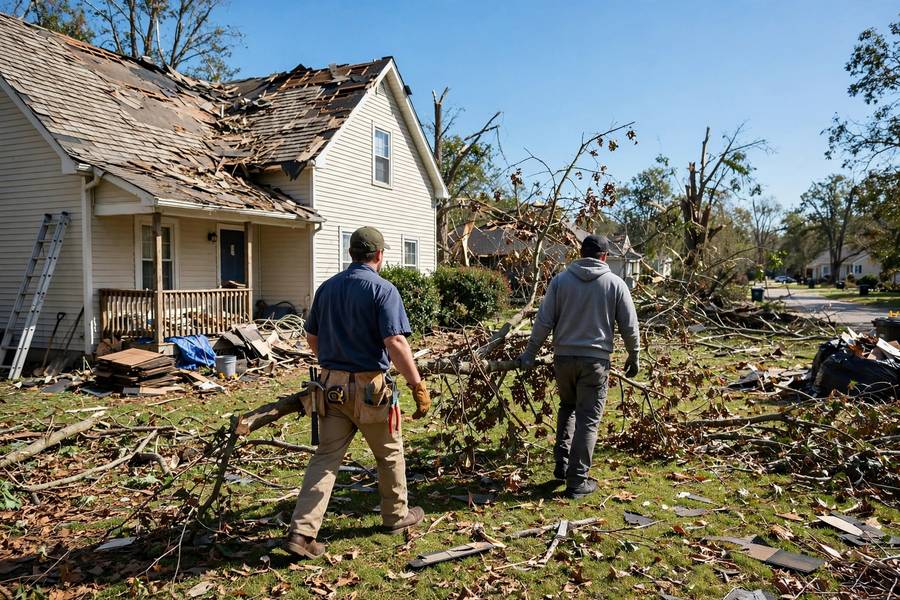
Storm & Hail Damage Roof Repair
Wind funneled through the hills behind Camarillo tests exposed slopes differently from sheltered ones, so storm scopes read each slope on its own exposure. Slipped tile, lifted shingle edges, and rain driven beneath them are documented promptly while the pattern is still legible.
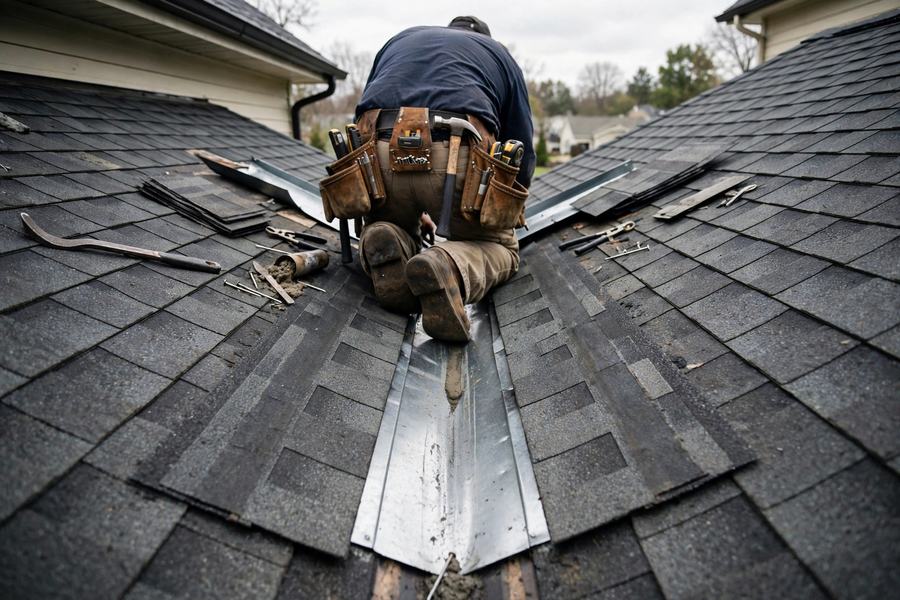
Roof Leak Repair
Tile leaks are diagnosed at the membrane rather than at the surface: tile uphill of the stain is lifted, the underlayment is read directly, and pricing follows what the felt actually shows. Guessing from the ceiling stain alone misprices this work in either direction.
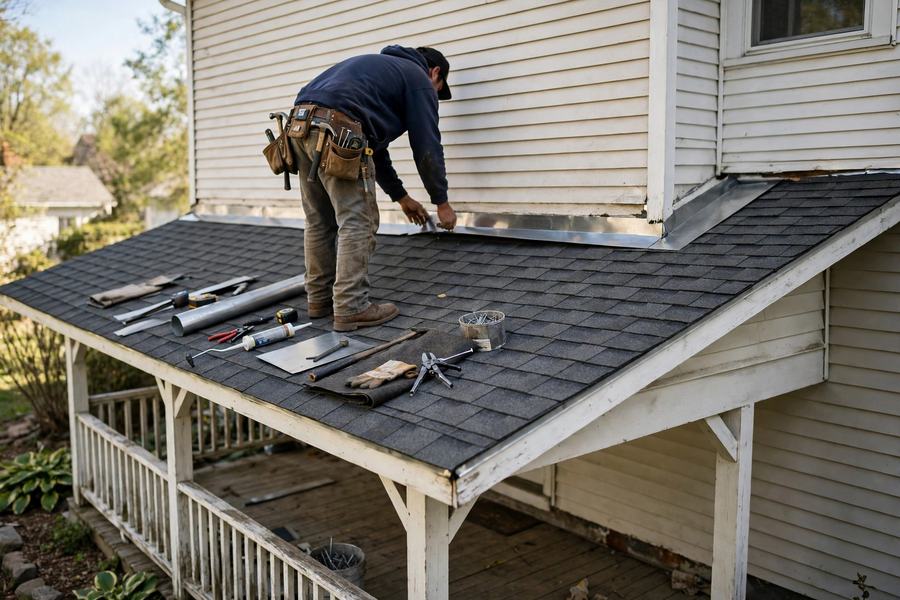
Flashing & Vent Repair
Leaks concentrate where metal meets other materials: chimney and wall flashing, valley metal, vent boots, and drip edge. On tile and composition tract roofs alike, replacing those tired details often resolves a stain that the open field of the roof never caused.

Roof Repair
A leaking roof, missing shingles, or visible storm wear gets scoped to the failure actually found, not steered toward replacement by default. Across Camarillo's plain-edge tracts, that discipline keeps a vent boot or valley repair from becoming a whole-roof conversation without evidence.
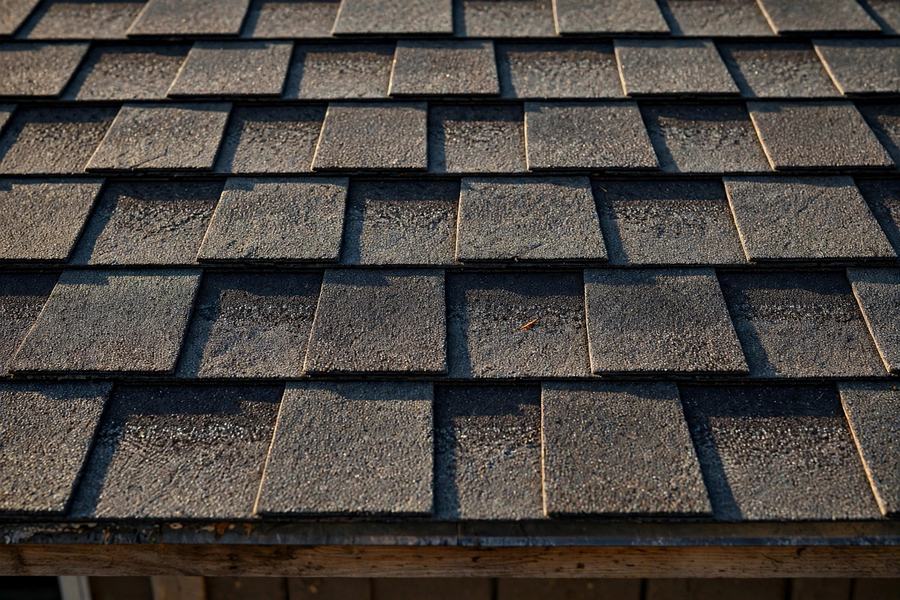
Shingle Roof Replacement
Composition tracts built in the 1980s and 1990s are now reaching second-roof age, so replacement pricing includes the deck read, ventilation, and the transition details that repeat house after house. Layer count is confirmed in writing before the tear-off figure is treated as final.
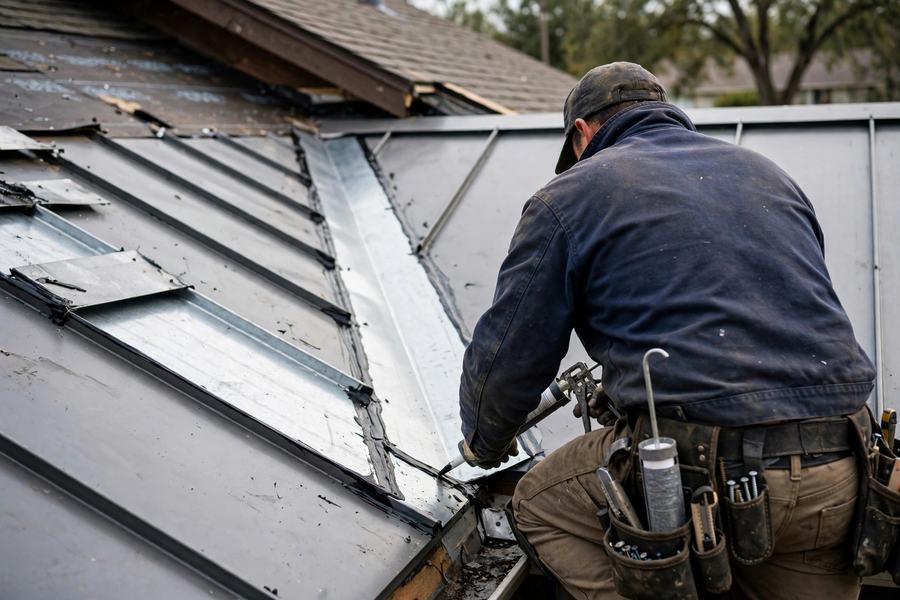
Metal Roofing
Standing seam and exposed-fastener panels offer a 40 to 70 year service life with fastener and seam maintenance along the way. For Camarillo homeowners weighing the option, the scope should address wind uplift at edges and how panels meet existing tile or shingle transitions.
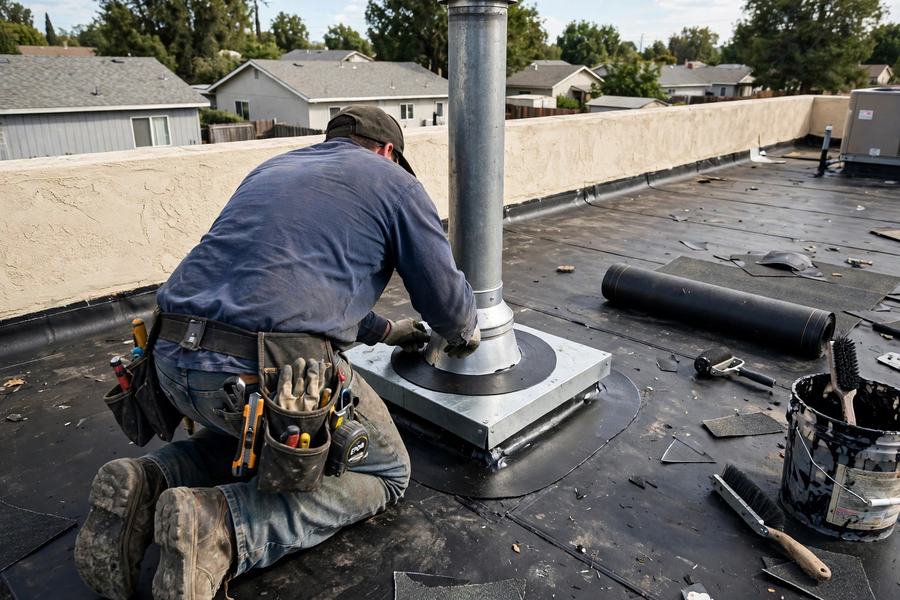
Flat & Low-Slope Roof Repair
Carports, porches, and additions across Camarillo's tracts carry low-slope sections in TPO, modified bitumen, or built-up material. Repair reads ponding and seam condition first, since standing water after winter rain bursts decides whether a patch holds or a section needs renewal.
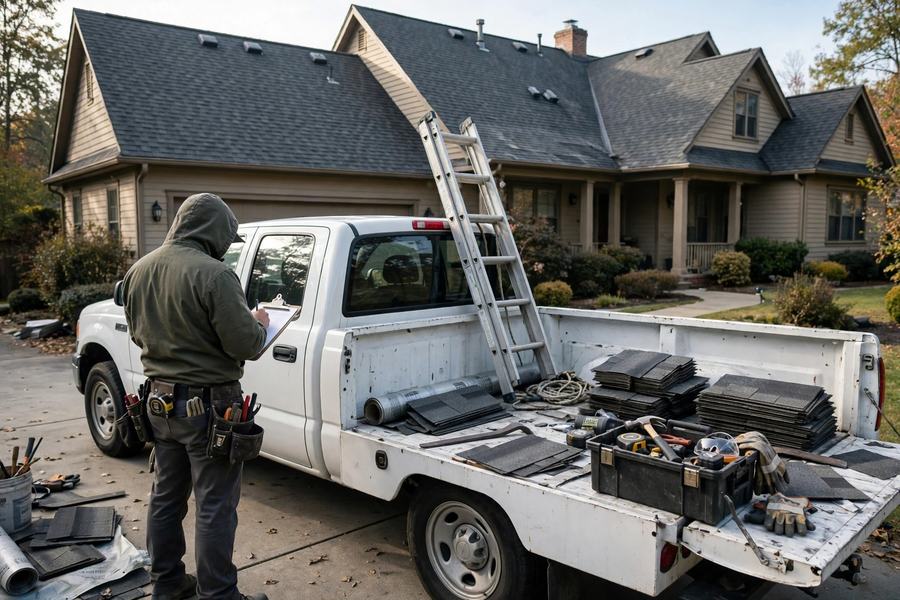
Roof Inspection & Assessment
A documented inspection photographs each slope, estimates remaining life, records any storm findings, and lists repairs in priority order. On 1960s through 1990s tract homes, that ordering separates a slipped tile needing a visit from underlayment quietly nearing its limit.
Nearby areas we also serve
Request a callback
Prefer to talk later? Leave your details and an independent local pro will call you back. No charge to you, no obligation.
Calleguas Creek Roofing Co is a free referral service. Submitting this form connects you with independent local contractors who provide the work.